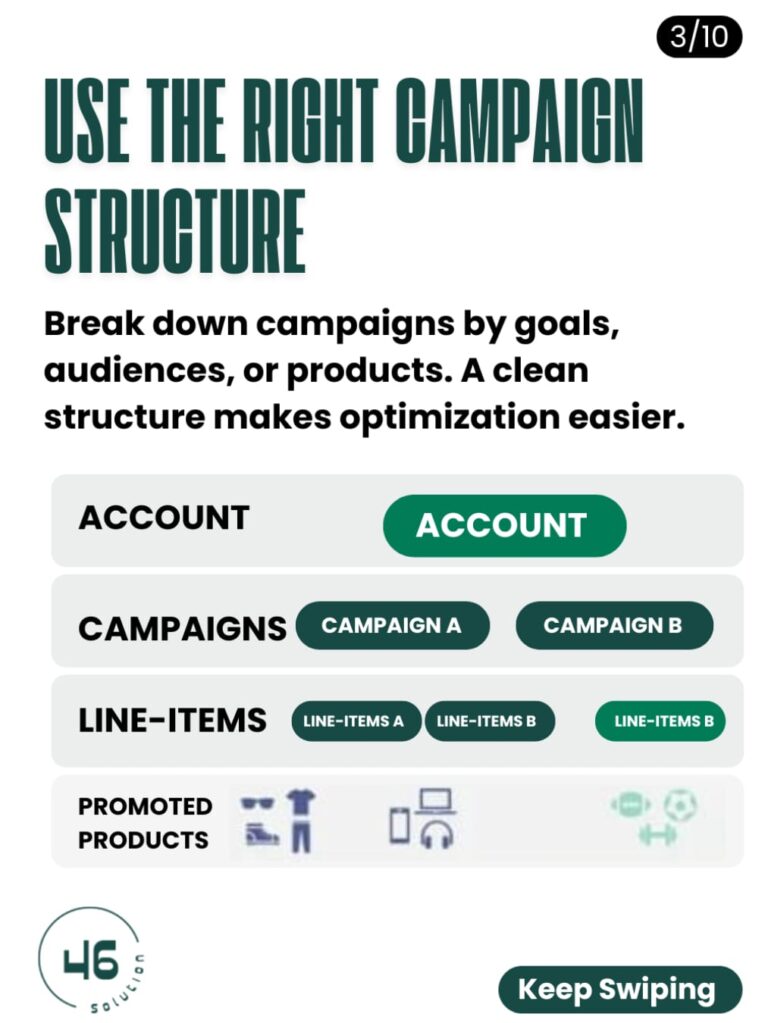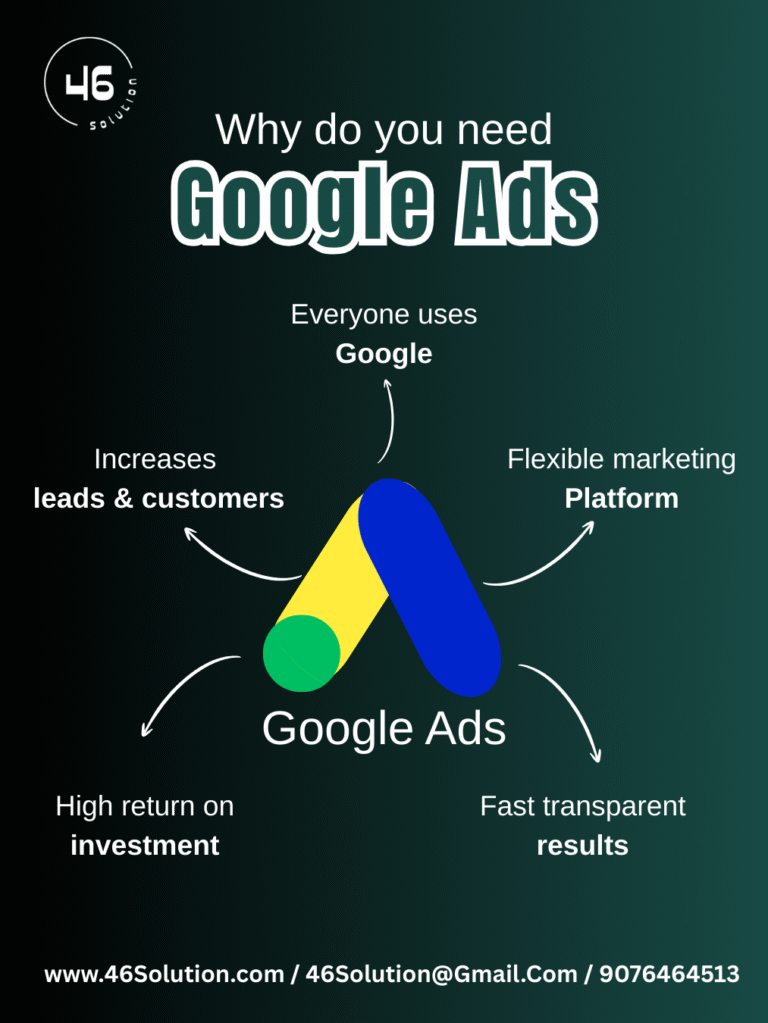

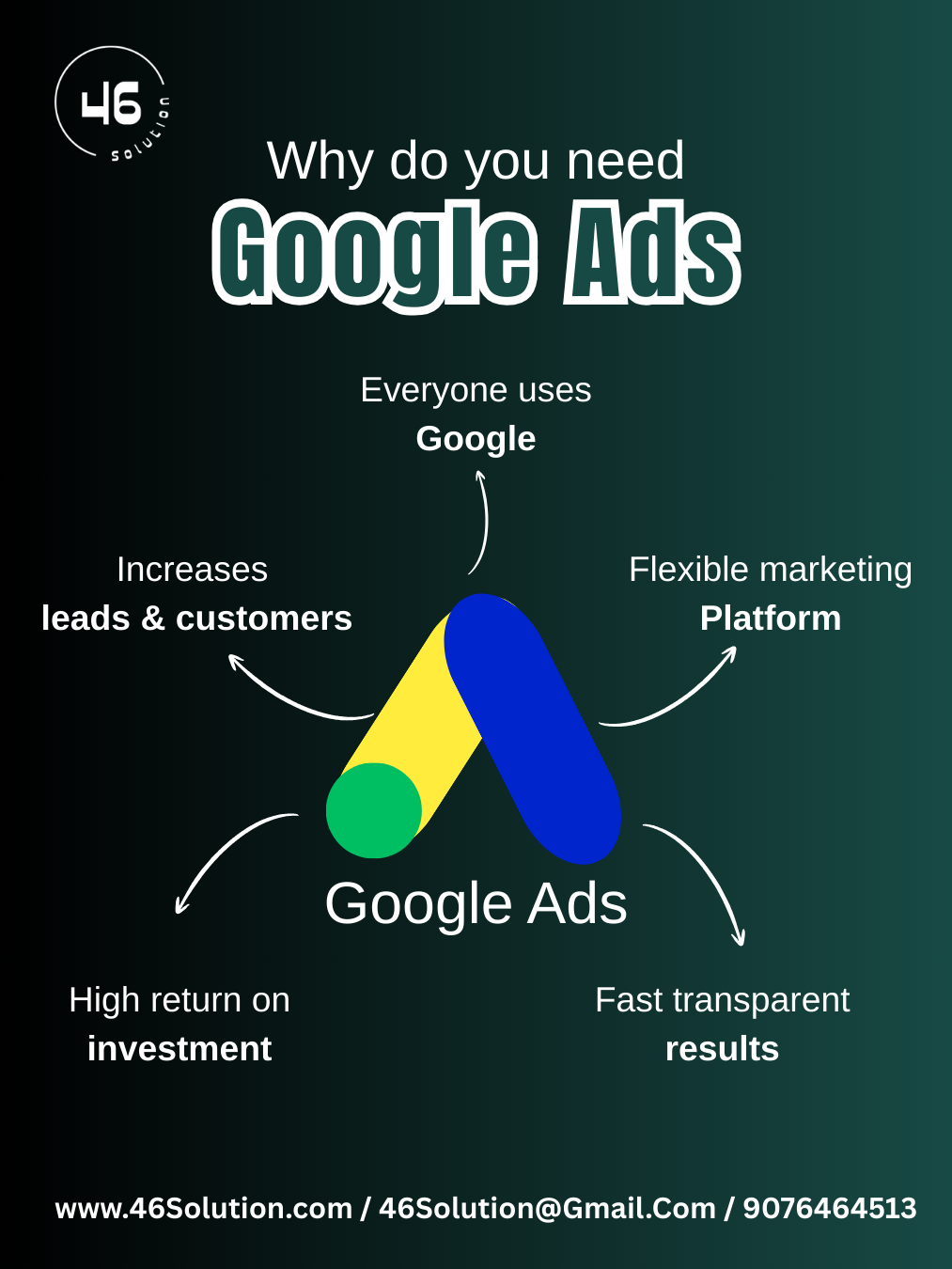
In today’s competitive digital world, businesses need powerful marketing strategies to reach the right audience at the right time. Google Ads has become one of the most effective online advertising platforms for generating leads, increasing brand visibility, and driving measurable business growth. With the ability to target specific audiences, control budgets, and analyze campaign performance in real time, Google Ads allows businesses to scale faster and achieve meaningful results.
A well-planned Google Ads campaign helps brands appear exactly when potential customers are searching for relevant products or services. From search ads and display campaigns to remarketing and performance tracking, every element plays a role in maximizing visibility and conversions.
Discover high-impact Google Ads strategies that help businesses increase visibility, attract targeted customers, and achieve faster growth through optimized digital advertising campaigns.
1. Strategic Keyword Targeting
The foundation of every successful Google Ads campaign lies in selecting the right keywords. Strategic keyword targeting ensures that ads appear when users search for services or products related to a business.
Effective keyword research focuses on search intent, competition level, and relevance. By identifying high-performing keywords, businesses can reach audiences actively looking for their offerings. Using a mix of short-tail and long-tail keywords allows campaigns to capture both broad and highly specific searches, increasing the chances of conversions.
2. High-Converting Ad Copy
A compelling ad copy is essential to attract attention and encourage users to click on an advertisement. Strong headlines, persuasive descriptions, and clear calls to action help create impactful ads that stand out in search results.
High-performing ad copy focuses on the value offered to the customer. It highlights benefits, unique selling points, and solutions to customer needs. When written strategically, ad copy improves click-through rates and enhances the overall effectiveness of the campaign.
3. Smart Audience Targeting
Google Ads provides advanced targeting options that allow businesses to reach the right audience based on demographics, location, interests, and online behavior.
Users who are more likely to engage with a brand see advertisements thanks to audience targeting. Businesses can also use remarketing strategies to reconnect with visitors who previously interacted with their website. This targeted approach improves ad relevance and increases the probability of conversions.
4. Optimized Landing Pages
An effective Google Ads campaign does not end with a click. The landing page plays a critical role in converting visitors into leads or customers.
Optimized landing pages are designed to provide a seamless user experience. They include clear messaging, relevant information, fast loading speeds, and strong calls to action. When the landing page aligns with the advertisement’s message, users are more likely to trust the brand and take the desired action.
5. Budget Management and Bid Strategy
Google Ads offers flexible budgeting options that allow businesses to control their advertising expenses while maximizing results. Proper budget management ensures that campaigns remain efficient and cost-effective.
Using the right bidding strategy—whether manual bidding or automated smart bidding—helps optimize campaign performance. By analyzing which keywords and ads perform best, businesses can allocate their budget more effectively and achieve higher returns on their advertising investment.
6. Performance Tracking and Analytics
One of the most powerful advantages of Google Ads is the ability to track campaign performance in real time. Detailed analytics offer data about impressions, clicks, conversions, and user behavior.
By analyzing these metrics, businesses can identify which strategies are working and which areas need improvement. Continuous monitoring allows marketers to refine campaigns, optimize keywords, adjust bids, and improve ad performance for better results over time.
7. Continuous Campaign Optimization
Digital advertising is not a one-time process. Successful Google Ads campaigns require ongoing optimization and improvement.
Regular testing of ad variations, keywords, and targeting strategies helps identify the most effective combinations. Businesses can run A/B tests, which compare two versions of an ad to see which performs better, adjust messaging, and refine their campaigns based on performance data. Continuous optimization ensures that advertising efforts remain competitive and deliver consistent results.
Conclusion
Google Ads has transformed the way businesses connect with potential customers online. By combining strategic keyword targeting, compelling ad copy, smart audience segmentation, and optimized landing pages, businesses can create high-impact advertising campaigns that drive measurable growth.
When managed effectively, Google Ads becomes more than just a marketing tool—it becomes a powerful engine for business expansion. Through continuous monitoring, budget optimization, and performance analysis, brands can achieve greater visibility, attract qualified leads, and accelerate their digital growth journey.