

Boost your online visibility with the ultimate SEO strategies for 2026. Learn how to improve rankings, drive organic traffic, enhance user experience, and achieve explosive business growth.
Search Engine Optimization (SEO) continues to be one of the most powerful digital marketing strategies for businesses looking to increase online visibility, attract qualified traffic, and generate long-term growth. As search engines become more intelligent and user expectations continue to rise, businesses must adopt modern SEO techniques that focus on quality, relevance, and user experience.
In 2026, successful SEO is no longer just about keywords. It involves creating valuable content, improving website performance, optimizing technical elements, and building authority across the web. This guide explores the ultimate SEO strategies that can help businesses achieve higher rankings and sustainable growth.
1. Focus on Search Intent
Understanding user intent is the foundation of modern SEO. Search engines prioritize content that directly answers what users are looking for.
Different types of search intent include:
- Informational searches
- Navigational searches
- Commercial research
- Transactional searches
Creating content that aligns with user intent improves engagement, reduces bounce rates, and increases ranking opportunities.
Best Practices
- Research what users actually want to know.
- Analyze top-ranking pages.
- Structure content around specific questions and solutions.
- Provide clear and valuable answers.
2. Create High-Quality, Helpful Content
Content remains one of the strongest ranking factors in SEO. Search engines reward websites that consistently publish useful, accurate, and engaging content.
Effective Content Strategies
- Publish in-depth blog articles.
- Create comprehensive guides.
- Update existing content regularly.
- Include practical examples and insights.
- Answer frequently asked questions.
High-quality content builds trust, encourages sharing, and increases organic visibility over time.
3. Optimize Keywords Naturally
Keyword optimization remains important, but keyword stuffing is no longer effective. Instead, focus on strategic keyword placement and semantic relevance.
Where to Use Keywords
- Page titles
- Meta descriptions
- Headings
- URL structure
- Image alt text
- First paragraph
- Content body
Use related terms and variations to help search engines understand the topic comprehensively.
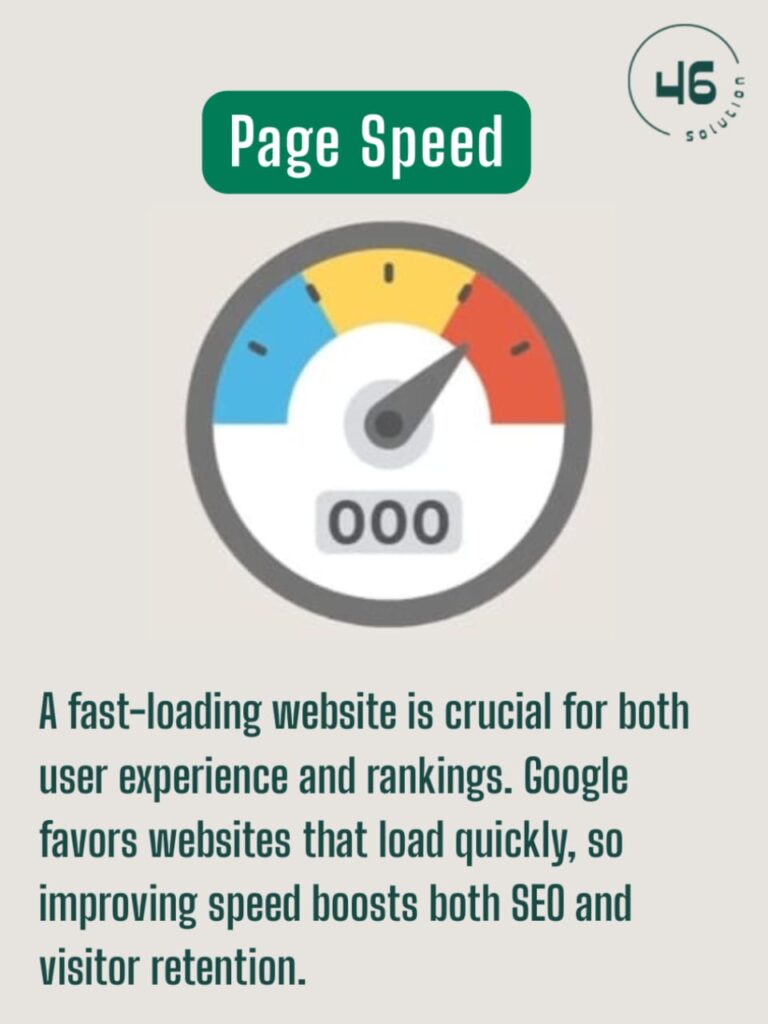
4. Improve Website Speed and Performance
Website speed directly impacts both rankings and user experience. Visitors expect fast-loading pages, and search engines favor websites that deliver a smooth experience.
Performance Optimization Tips
- Compress images.
- Use modern image formats.
- Minimize code files.
- Enable browser caching.
- Use content delivery networks.
- Optimize server performance.
A faster website leads to higher engagement, lower bounce rates, and better conversion rates.
5. Prioritize Mobile-First Optimization
Most internet users now browse websites on mobile devices. Search engines evaluate the mobile version of a website as the primary version for ranking purposes.
Mobile SEO Essentials
- Responsive design
- Fast mobile loading speed
- Easy navigation
- Mobile-friendly content layouts
- Clickable buttons and menus
A seamless mobile experience improves user satisfaction and search visibility.
6. Strengthen Technical SEO
Technical SEO ensures search engines can effectively crawl, index, and understand your website.
Important Technical SEO Elements
- XML sitemaps
- Robots.txt optimization
- Structured data markup
- Secure HTTPS connection
- Canonical tags
- Internal linking structure
- Clean URLs
Strong technical foundations help search engines process content efficiently and improve ranking potential.
7. Build Topical Authority
Search engines increasingly favor websites that demonstrate expertise in specific subjects.
Instead of publishing random content, create content clusters around core topics.
Example
If your website focuses on digital marketing, create interconnected content about:
- SEO
- Content marketing
- Social media marketing
- PPC advertising
- Analytics
- Conversion optimization
Building topical authority improves credibility and strengthens rankings across related keywords.
8. Optimize for AI-Powered Search
Search engines are increasingly using artificial intelligence to understand content and user behavior.
AI SEO Strategies
- Write naturally and conversationally.
- Answer questions directly.
- Include clear headings and subheadings.
- Provide concise summaries.
- Use structured information.
Content designed for AI-driven search experiences is more likely to appear in featured snippets and advanced search results.
9. Earn High-Quality Backlinks
Backlinks remain one of the most influential ranking factors. Quality matters significantly more than quantity.
Link-Building Strategies
- Create valuable content worth sharing.
- Publish original research.
- Develop industry resources.
- Guest post on relevant websites.
- Build relationships with industry publications.
Authoritative backlinks strengthen trust and improve organic rankings.
10. Enhance User Experience (UX)
Search engines evaluate user engagement signals when determining rankings.
UX Improvements That Support SEO
- Clear navigation
- Readable typography
- Logical page structure
- Fast loading times
- Interactive elements
- Easy access to information
A positive user experience encourages visitors to stay longer and explore more pages.
11. Optimize Images and Visual Content
Images contribute significantly to user engagement and SEO performance.
Image SEO Best Practices
- Use descriptive filenames.
- Add relevant alt text.
- Compress images.
- Use responsive image formats.
- Include images that support content.
Optimized visuals improve accessibility and can drive traffic from image search results.
12. Monitor Performance and Adapt
SEO is an ongoing process that requires regular analysis and improvement.
Metrics to Track
- Organic traffic
- Keyword rankings
- Click-through rates
- Bounce rates
- Conversion rates
- Page performance
Continuous monitoring helps identify opportunities and maintain competitive rankings.
Conclusion
The future of SEO in 2026 is centered on delivering exceptional user experiences, creating valuable content, and maintaining strong technical foundations. Businesses that focus on search intent, topical authority, website performance, and AI-friendly optimization will be better positioned to achieve higher rankings and long-term organic growth.
By implementing these ultimate SEO strategies consistently, your website can attract more qualified visitors, strengthen brand authority, and generate sustainable business success in an increasingly competitive digital landscape.